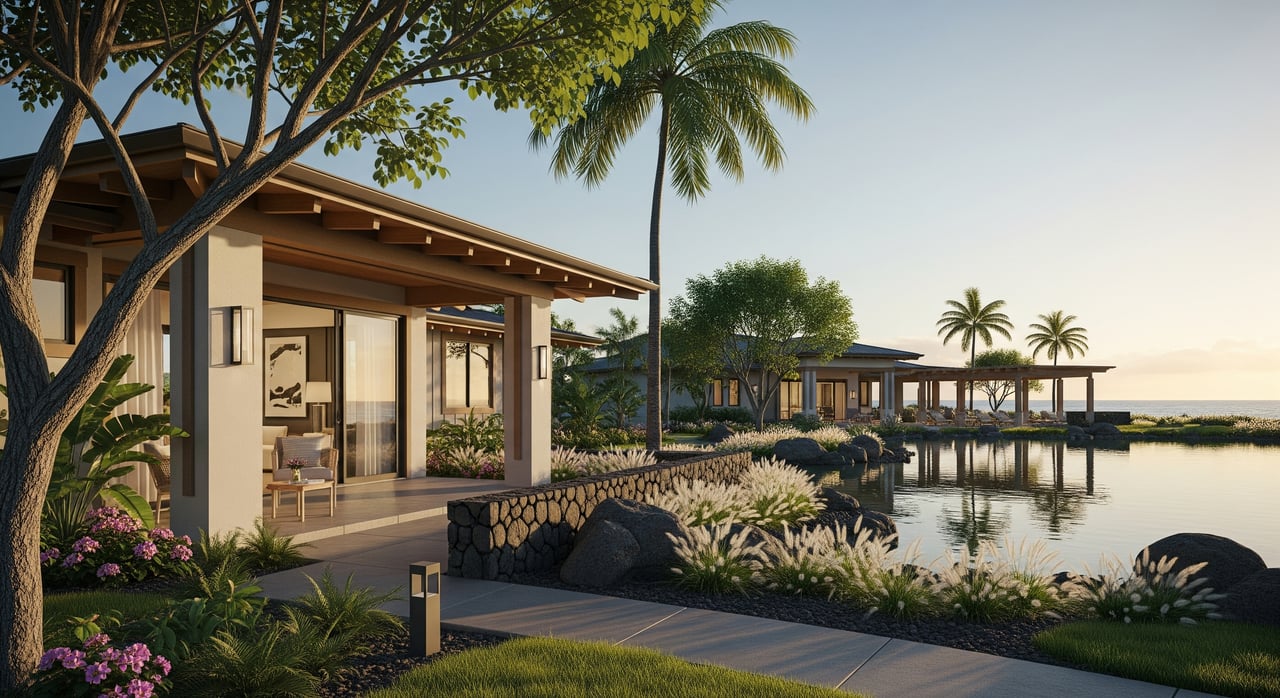
What a Master-Planned Community Means in Kapolei
December 18, 2025
December 18, 2025
You keep hearing Kapolei called Oʻahu’s “second city,” but what does a master-planned community actually mean for your day-to-day life? If you are weighing a move to West Oʻahu, you want clarity on rules, costs, commute, and how quickly the area is still changing. This guide breaks down what “master-planned” means, how Kapolei fits that model, and what to review before you buy. Let’s dive in.
A master-planned community is built around an overarching plan that guides homes, shopping, parks, roads, schools, and utilities as development phases roll out. The goal is to coordinate land uses and public services so the community functions well as it grows. You will see a mix of residential types, commercial centers, and open space, plus rules that keep the look and feel consistent.
Kapolei has been the major planned growth area for West Oʻahu for decades. The intent is to concentrate housing, jobs, shopping, and public facilities outside urban Honolulu to serve West Oʻahu communities. You get the hallmarks of a master-planned place, with local differences from neighborhood to neighborhood.
Kapolei includes shopping and service centers, schools, and community and recreation facilities positioned near residential areas. It also hosts a regional higher-education presence and has seen significant public infrastructure investment. Everyday errands, a class, or a quick bite are often minutes from home.
Housing in Kapolei ranges from single-family homes to townhomes and apartments. Subdivisions rolled out in phases, and in some areas that buildout continues. Expect the built environment to change over time as new parcels and infill projects come online.
Regional planning in West Oʻahu includes highway upgrades and transit connections intended to improve access to the rest of the island. Actual walkability and transit convenience vary by block. Many residents still rely on private vehicles, and commute times depend on time of day and route.
Kapolei’s planned centers usually provide grocery, retail, restaurants, basic medical, and entertainment in defined nodes. For specialty care, major employers, or certain retailers, you may travel to other parts of Oʻahu. The mix is robust but still evolving as phases complete.
Master-planned growth happens in stages. Even in mature areas, you may see new roads, new commercial projects, and infill housing for years after you buy. It is smart to understand what is planned near your property so you can set realistic expectations.
As with any Hawaiʻi community, local cultural and environmental considerations matter. Hawaiian place names, cultural sites, mauka and makai context, and drainage or coastal impacts can influence planning and future regulations. Respect for place and awareness of site conditions should be part of your evaluation.
Many Kapolei neighborhoods have CC&Rs and HOAs or community associations. HOAs manage landscaping, common areas, amenity rules, and often exterior design standards. Before you commit, review CC&Rs, bylaws, reserve studies, and recent meeting minutes.
Roads, storm drainage, street trees, and lighting can be maintained by the county, the developer, or the HOA. Some developer-built systems are later dedicated to the city or county, while others remain private. Clarify responsibilities and budget impacts so there are no surprises.
Here is a focused checklist you can use before you submit an offer:
Documents to obtain
Questions to ask
Neighborhood-level checks
Financial items to confirm
Community and cultural fit
Match your timeline to the phase of the neighborhood. If you want finished amenities and fewer construction impacts, focus on areas where buildout is largely complete. If you value early-mover pricing and can handle change, look at active phases with clear plans and budgets.
Think about mobility beyond the driveway. Compare commute options, local transit stops, bike routes, and the quality of sidewalks around your daily destinations. For resale, a strong HOA financial profile, well-maintained common areas, and proximity to services can support future buyer demand.
Kapolei delivers many of the advantages of a master-planned place, with a clear plan for homes, services, and public facilities. At the same time, it is a dynamic growth area where HOA rules, ongoing fees, and phased construction are part of everyday life. If you want balance between convenience and space on West Oʻahu, Kapolei is worth a close look with a careful review of documents and near-term projects.
If you want a local advisor who will help you evaluate CC&Rs, HOA budgets, commute realities, and phase timing, connect with Andrew Leitheiser. Schedule your free consultation and get a clear plan from search to closing.
Stay up to date on the latest real estate trends.





From first viewings to final closings, I’m by your side to ensure every step is clear, enjoyable, and tailored just for you. Let’s team up and make your next move in Honolulu an absolute breeze.