Mililani Or Kapolei? How To Choose Your Oʻahu Suburb
February 19, 2026
February 19, 2026
Trying to decide between Mililani and Kapolei? You are not alone. Both suburbs offer solid value on Oʻahu, but the day-to-day experience feels different. In this guide, you will see how homes, prices, commuting, schools, healthcare, and future growth compare so you can match the right neighborhood to your lifestyle and budget. Let’s dive in.
For many buyers, the first question is simple: do you prefer an established suburban fabric with robust rec centers and neighborhood routines, or a growth hub with newer homes, bigger retail, and a rail network that is expanding?
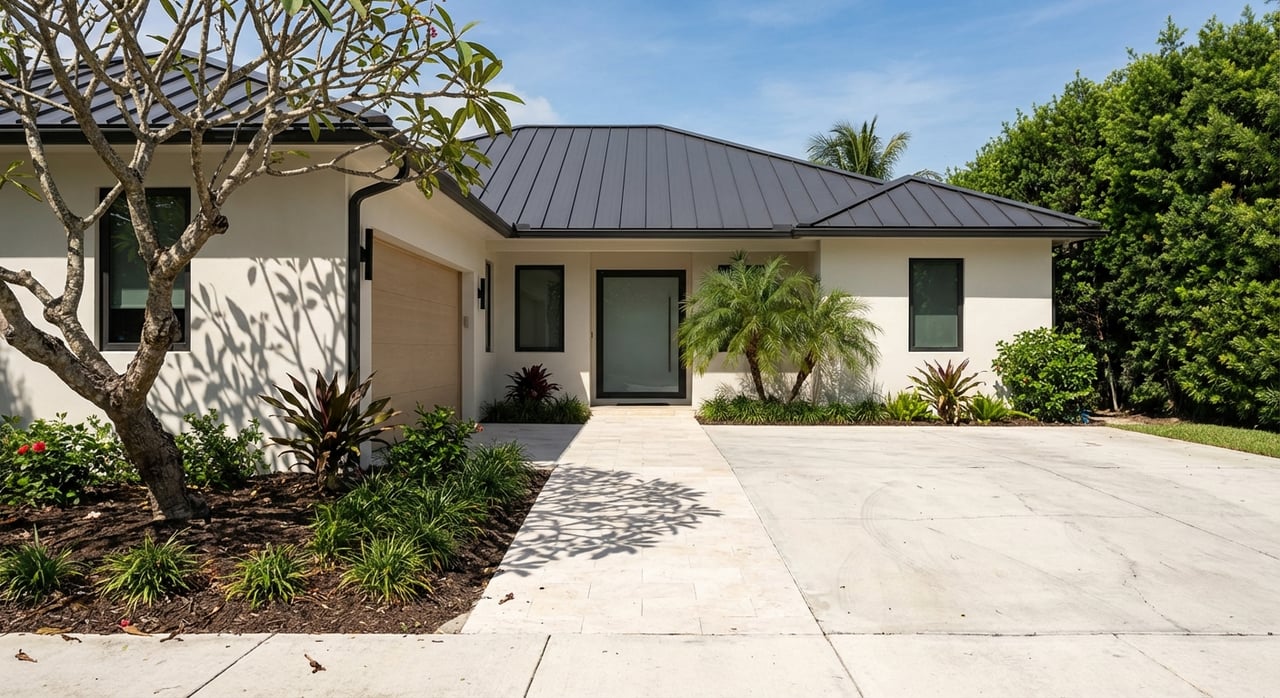
Mililani offers mostly single-family homes with traditional lot sizes, plus townhomes and condos that fit a range of budgets. Mililani Town reflects the original planned-community era, while Mililani Mauka features newer single-family streets and townhome clusters. Community recreation centers and neighborhood standards are managed through the Mililani Town Association.
Price benchmarks vary by metric. A Dec 2025 Realtor.com snapshot showed Mililani’s median sale price in the mid 500 thousands. Zillow’s ZHVI for the broader Mililani area was around the 800 thousands during the same period. The gap reflects different methodologies and geographies.
Kapolei and nearby West Oʻahu communities offer a wide mix of newer single-family homes, townhomes, and condos, including planned subdivisions in Makakilo and East Kapolei. The area has a larger pipeline of new-builds than Mililani, which can mean more choices and visible construction.
A Dec 2025 Realtor.com snapshot listed Kapolei’s median sale price at roughly 740 thousands, while local index measures like ZHVI tracked in the low-to-mid 800 thousands. Inventory is broader here, especially near transit-oriented zones.
Census estimates give a good baseline for daily travel. The 2019–2023 5-year estimate shows a mean commute of about 30.6 minutes for Mililani Town and 32.4 minutes for Kapolei CDP. Real-world peak periods can run longer due to H-1 traffic patterns, which have a long history of congestion on Oʻahu’s west side.
Honolulu’s Skyline rail now operates from East Kapolei through Middle Street, with segment expansions improving West Oʻahu access. Segment 2 launched on Oct 16, 2025, extending service and adjusting routes for riders in Kapolei and Ewa. For current service maps and FAQs, start with HART’s Skyline page and see recent coverage of the Oct 2025 opening for context from Hawaii News Now.
Practical notes for Kapolei riders:
For route planning to and from Ka Makana Aliʻi, the center’s transit page lists common bus connections.
Both communities are served by Hawaiʻi State Department of Education schools. Families often review school offerings and contacts directly through HIDOE pages. For example, see the Mililani High School profile for program highlights and enrollment information. Kapolei High has a similar HIDOE profile with contacts and campus details.
Use neutral criteria when comparing schools such as program fit, commute, and campus resources. Check boundaries with HIDOE before you buy.
West Oʻahu residents benefit from The Queen’s Medical Center – West Oʻahu in ʻEwa, which provides emergency and inpatient services and has expanded offerings in recent years. Learn more on Queen’s West’s official page. Mililani residents typically use regional clinics nearby and travel into Honolulu for specialty or tertiary care as needed.
Mililani Town’s high owner-occupancy share signals a stable, lived-in neighborhood pattern where many residents put down long-term roots. The community design, rec centers, and steady retail core give Mililani a consistent suburban rhythm. For some buyers, that predictability is the point.
Kapolei’s identity is tied to growth and access. State and City planning call East Kapolei a transit-oriented priority, with master plans aimed at adding housing and mixed-use spaces around Skyline stations over the next decade. You can review TOD context through the State’s planning resources here. Expect more new-build options, rail-connected neighborhoods, and continued investment in jobs, retail, and healthcare.
Choose Mililani if you want:
Choose Kapolei if you want:
These figures show trend and range, not a specific home’s value. Your target neighborhood, product type, condition, HOA, and interest rate will shape your final budget. When you are ready, compare recent MLS comps and active competition block by block.
You do not have to decide in a vacuum. Tour a short list of homes in both areas, time a commute during peak and off-peak, and compare total monthly costs side by side. If you want a local, data-led process that keeps your options open while you learn the market, reach out to Andrew Leitheiser to map a plan, set alerts, and schedule showings.
Stay up to date on the latest real estate trends.




From first viewings to final closings, I’m by your side to ensure every step is clear, enjoyable, and tailored just for you. Let’s team up and make your next move in Honolulu an absolute breeze.