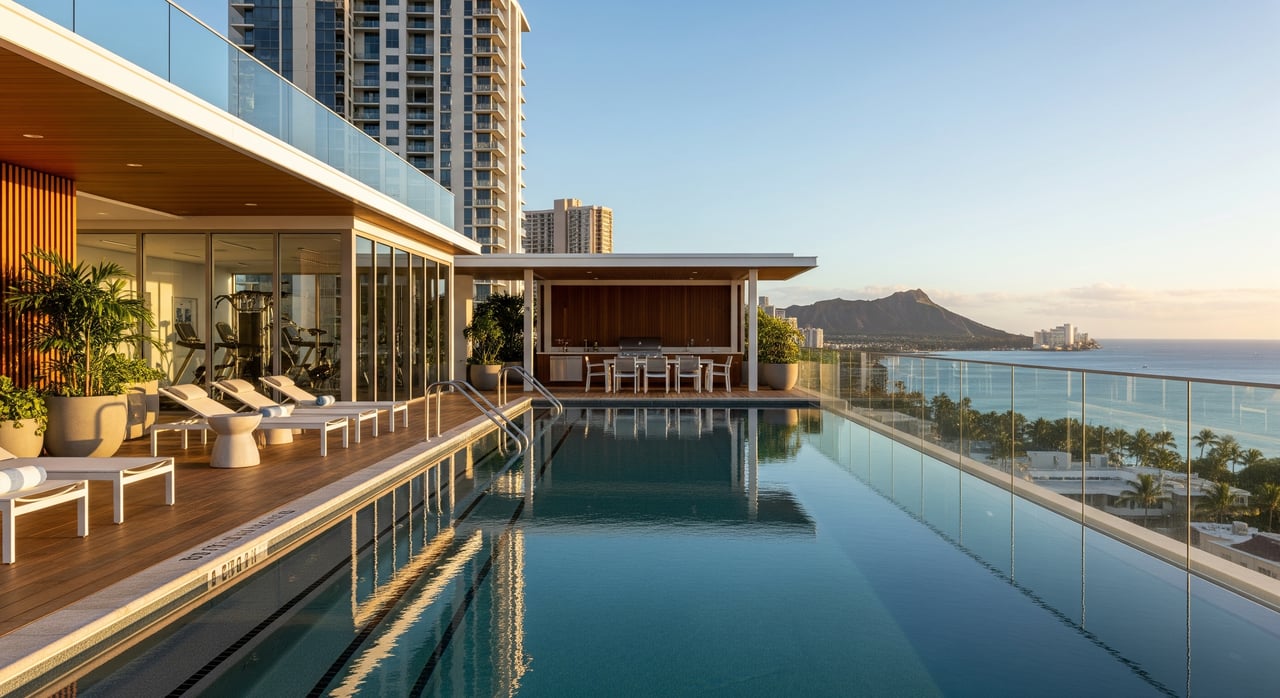
Kakaako Condo Maintenance Fees: What They Cover
December 4, 2025
December 4, 2025
Staring at a Kaka‘ako condo you love but unsure what the monthly maintenance fee really covers? You are not alone. In Honolulu’s high-rise market, AOAO fees can feel complex, especially with amenity-rich towers and the realities of coastal upkeep. In this guide, you will learn what these fees typically include, what they do not, why amounts vary from building to building, and how to compare options with confidence. Let’s dive in.
Kaka‘ako condominiums are managed by an Association of Apartment Owners, or AOAO. The AOAO adopts an annual budget to operate the property, maintain common elements, insure the building, and build reserves for future repairs. Your monthly fee is your share of those costs.
Most buildings use AOAO fees to pay for electricity in lobbies, corridors, elevators, amenity spaces, and exterior lighting. Water, sewer, and trash service for common areas are also common inclusions. Some buildings include water or sewer for units, but practices vary, so confirm for each property during due diligence.
Fees support routine repairs and upkeep of roofs, exteriors, windows, elevators, and shared plumbing or mechanical systems. Contracts for elevator service, fire alarms and life-safety systems, pest control, and janitorial services are usually paid from the operating budget. This also covers cleaning for lobbies, hallways, pool decks, and other shared spaces.
Labor is a key driver in amenity-heavy Kaka‘ako buildings. AOAO fees often fund salaries and benefits for on-site management, front desk or concierge, 24/7 security, maintenance staff, and landscapers. Many associations also hire outside vendors for landscaping, pool service, security, janitorial, HVAC servicing, and trash hauling.
The AOAO carries a master property and casualty insurance policy for the building’s common elements, and sometimes building-standard components. Your fees help pay those premiums along with accounting, legal, property management, and other administrative costs. Ask for the master policy declarations to understand coverage limits and deductibles.
Healthy reserves protect owners from unexpected costs. A portion of your monthly fee is usually set aside in the reserve fund to cover future replacements such as roofing, exterior painting, window and sealant work, plumbing risers, and elevators. The amount depends on the latest reserve study and the AOAO’s funding policy.
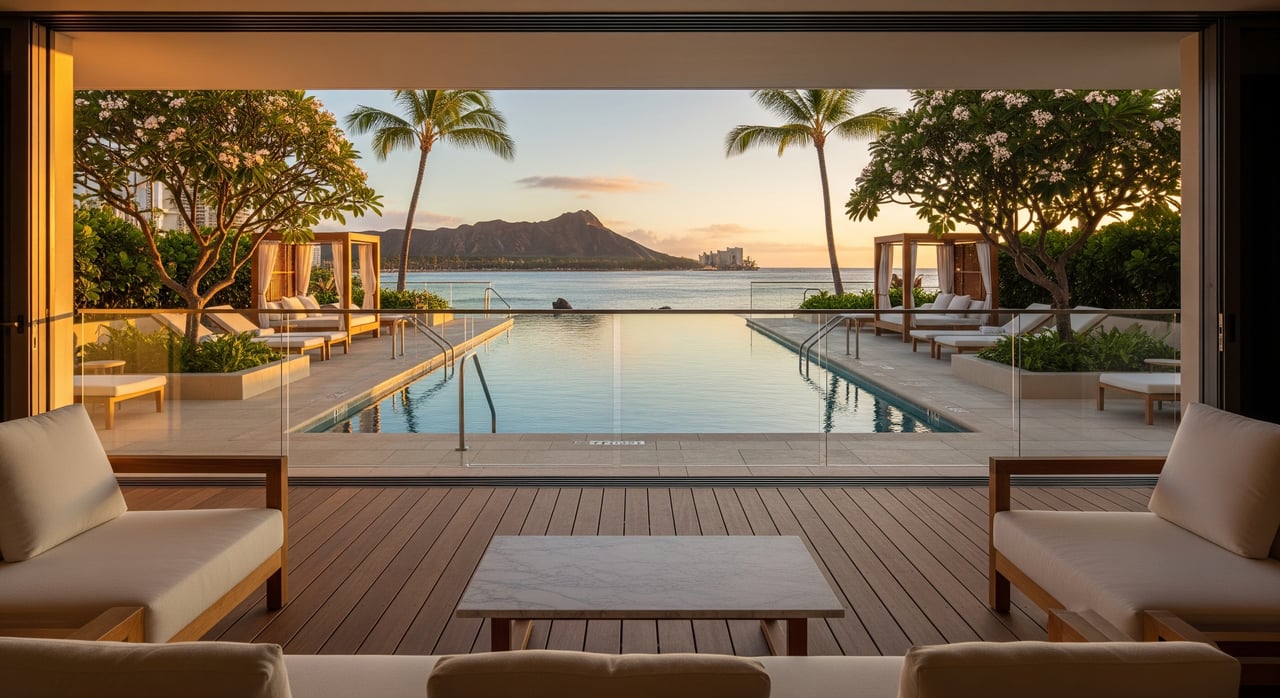
If the property offers pools, gyms, clubrooms, BBQs, lounges, theaters, children’s rooms, dog parks, guest suites, or valet, expect your fees to cover their utilities, maintenance, cleaning, supplies, and staffing. Some buildings also negotiate bulk cable, internet, or phone agreements that are paid through the AOAO.
While every building is different, most Kaka‘ako AOAOs do not cover the following:
Two condos the same size can have very different monthly fees. Here is why.
Extensive amenities cost money to operate. Pools, fitness centers, saunas, theaters, guest suites, and valet all require cleaning, utilities, maintenance, insurance, and often dedicated staff. Buildings with staffed lobbies or 24/7 security tend to have higher operating costs per unit than those with minimal services.
Older buildings often face more frequent maintenance and capital replacements, such as waterproofing, exterior coatings, window systems, plumbing risers, and elevator modernization. Kaka‘ako’s coastal environment adds a “climate premium,” since salt air and humidity accelerate corrosion and building envelope wear. Newer luxury towers may start with solid reserves but have complex systems and high-end equipment that can be expensive to replace over time.
Large buildings can spread fixed costs like elevator contracts and fire system inspections across more owners, which may lower each unit’s share. Smaller boutique towers with resort-level amenities can see higher per-unit fees because fewer owners carry the same fixed expenses.
The AOAO’s reserve strategy matters. Well-funded reserves reduce near-term assessment risk but increase today’s monthly fee. Underfunded reserves keep fees low short term but raise the risk of special assessments or sharp fee increases when major work comes due.
Do your homework early. A strong due diligence package can help you avoid unwelcome surprises and choose the right building for your lifestyle and budget.
Ask the AOAO or seller’s agent for:
Normalize your comparisons with simple math:
Targeted questions help you understand risk and predictability:
Dig deeper if you see:
Expect variation across towers. A boutique building with limited amenities may offer lower monthly fees but fewer services. A resort-style tower with valet, multiple pools, and 24/7 staffing will likely carry higher dues, which you might value if you plan to use those services often. Always compare total monthly housing cost, not just the AOAO line item, and weigh that against your lifestyle and long-term plans.
If you are choosing between two buildings, think about how you live day to day. Do you want a staffed lobby, on-site security, and guest suites for visitors? Or would you rather keep fees lean and use neighborhood amenities instead? There is no one right answer. The best fit is the one that matches your budget, routine, and appetite for long-term maintenance risk.
Reading budgets and reserve studies takes time, and understanding how a building operates is not always straightforward. A local, process-driven advisor can help you request the right documents, interpret the numbers, and align each property’s fee structure with your goals. If you want a clear, heads-up view of AOAO costs and risk before you write an offer, we are ready to help you move with confidence.
Ready to compare Kaka‘ako buildings side by side and find the right fit for your lifestyle and budget? Connect with Andrew Leitheiser for a clear, step-by-step plan from tour to closing.
Stay up to date on the latest real estate trends.
Real Estate
Affordable Smart Upgrades to Reduce Energy Costs at Home
From first viewings to final closings, I’m by your side to ensure every step is clear, enjoyable, and tailored just for you. Let’s team up and make your next move in Honolulu an absolute breeze.