Search

Leave a Message

Thank you for your message. I will be in touch with you shortly.

Browse Homes

Hawaii Loa Ridge Home Valuation and Pricing Strategy

January 1, 2026

Is your Hawaii Loa Ridge home capturing its full view premium, or is money being left on the table? Pricing on the Ridge is different from anywhere else on Oahu because small shifts in view corridors, elevation, and lot position can swing value by six figures. If you understand how buyers quantify those differences, you can set a price that attracts qualified attention and protects your net. In this guide, you’ll learn the key value drivers, a practical valuation workflow, and a pricing and marketing plan built for Ridge properties. Let’s dive in.

What drives value on Hawaii Loa Ridge

View corridors and quality

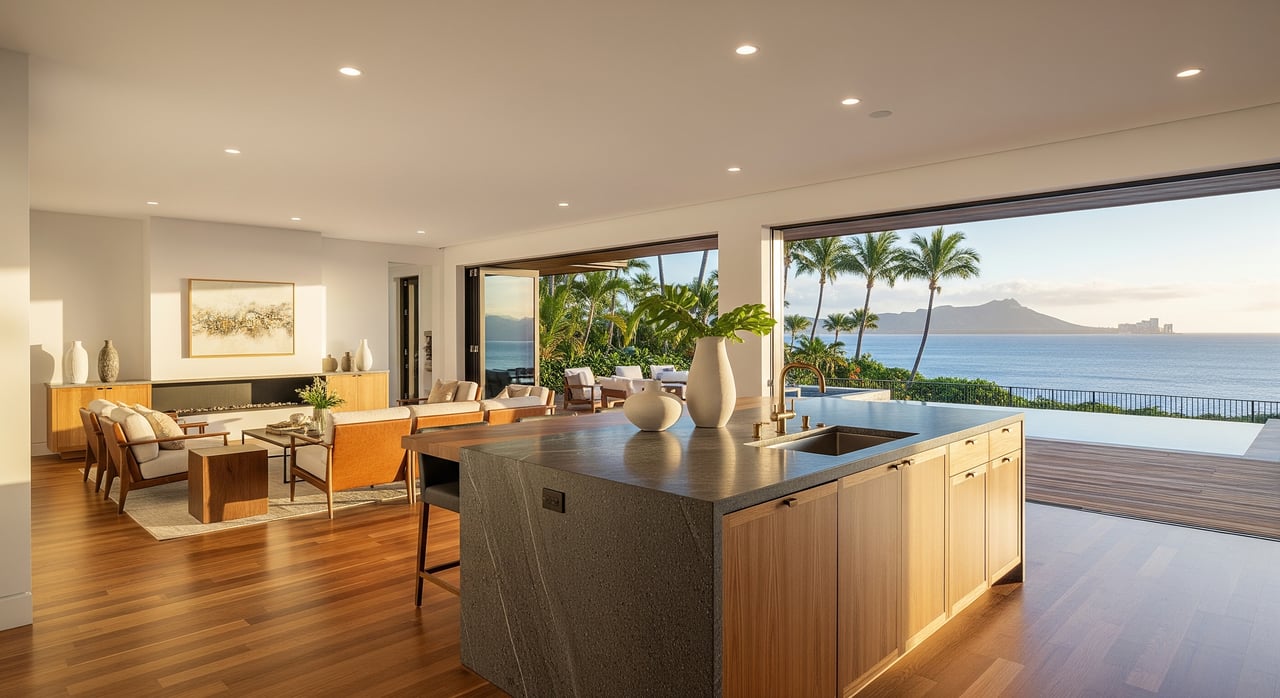
On the Ridge, view quality does the heavy lifting in valuation. Buyers pay close attention to whether the view is panoramic or framed, how much is unobstructed, and whether they see ocean, coastline, Diamond Head, the Honolulu skyline, or only partial glimpses.

  • Evaluate breadth, obstruction, distance, and orientation. A wide, unobstructed ocean and skyline panorama carries more demand than a narrow ocean peek through vegetation.
  • Consider permanence risk. The chance that future development could impact sight-lines affects value today. Parcels with protected corridors or limited development potential nearby often command stronger prices.
  • Expect a measurable premium. In practice, local closed sales drive the exact adjustment, but CMAs often show unobstructed panoramic ocean or skyline views adding material value. Broad industry ranges commonly start near 10 percent and can exceed 30 to 40 percent for unique, protected vistas. Your actual number must be proven by recent Hawaii Loa Ridge and East Honolulu comps.

Elevation benefits

Higher elevation often improves view lines and brings cooler trade-wind exposure and reduced humidity. It can also reduce exposure to coastal flood and tsunami risk, which many buyers value. On the flip side, steeper terrain can raise questions about buildability or slope stability. In CMAs, an elevation or safety premium is often considered, commonly in the 5 to 15 percent range when the market values those benefits. The exact figure depends on local sales.

Lot position and orientation

Where your home sits on the ridge matters. Ridgeline crest parcels often capture the broadest panoramas and privacy, while corner or cul-de-sac lots may earn small premiums for frontage or quiet location.

  • Usable area is key. Flat yards, pool pads, guest parking, and easy access add practical value. Steeper lots that reduce usable outdoor living can trade at a discount relative to overall lot size.
  • Orientation influences appeal. South or southwest-facing homes that catch sunsets and broad ocean vistas often draw more attention.

Improvements and amenities

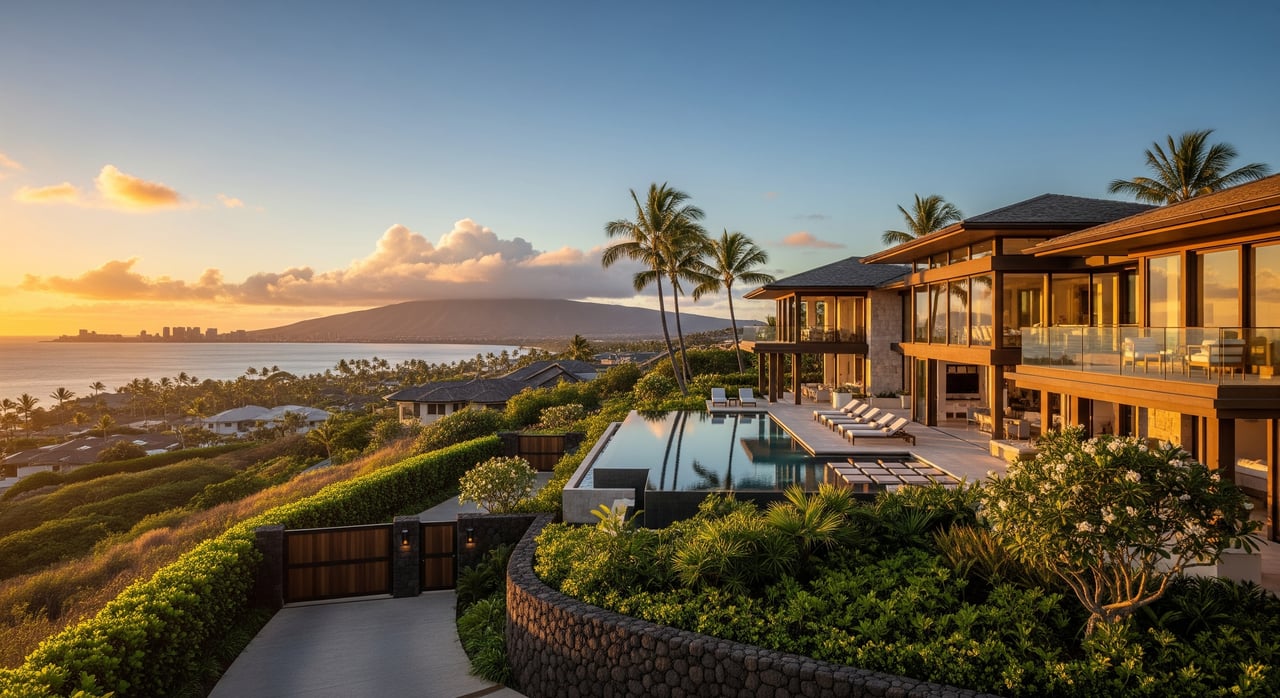
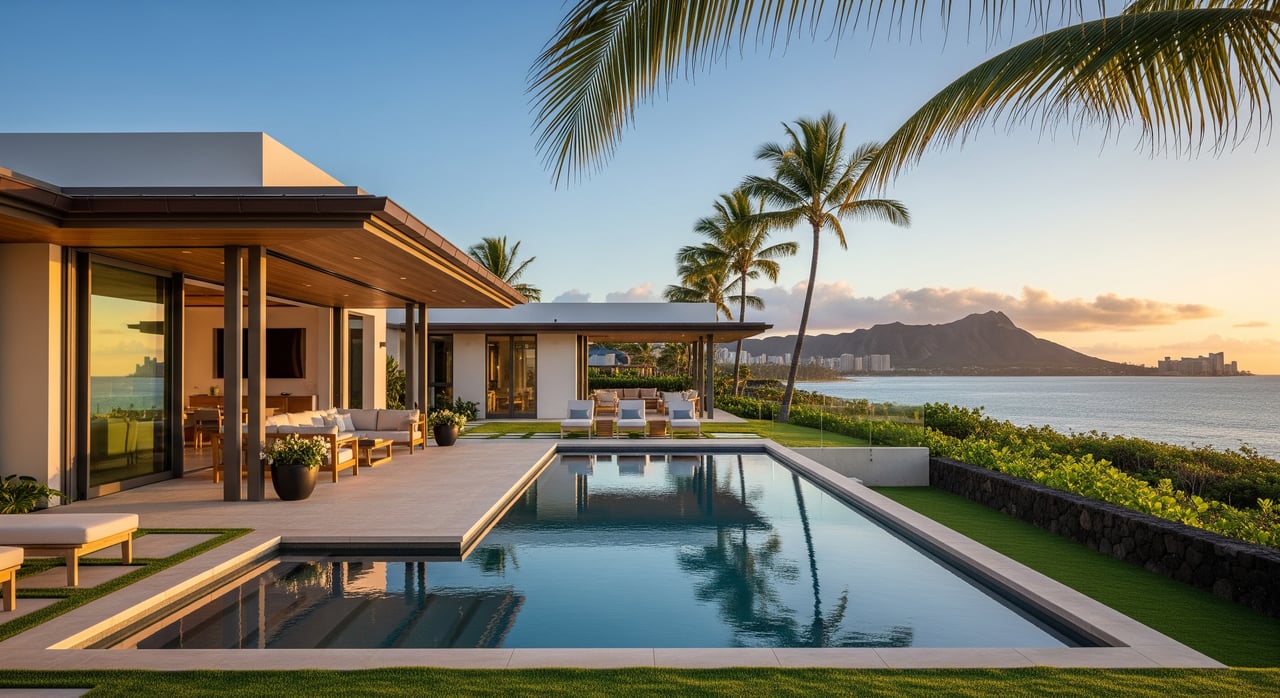
Buyers focus on how the home frames the view. Modern layouts that pull your eye to the horizon, high-grade materials suited to Hawaii’s climate, solar and mechanical upgrades, and outdoor spaces like lanais and infinity pools all support stronger pricing. Dated floor plans or poor indoor-outdoor flow can reduce marketability even on a premium lot.

Legal constraints and encumbrances

Easements, utility corridors, and community covenants can affect buildability and view permanence. Zoning, setback, and height rules may limit the additions or improvements that could otherwise boost value. Clear documentation helps preserve buyer confidence and supports your price.

A data-backed valuation approach

Gather the right comps

Start with the most recent 6 to 12 months of closed and pending sales on Hawaii Loa Ridge. If volume is thin, extend the search to 24 months and to East Honolulu while prioritizing properties with similar view types, elevation, and finish level. Validate parcel details with public records and confirmed permit histories.

Quantify adjustments the right way

Adjust for the big drivers first, then refine. Price-per-square-foot is a blunt tool in view-sensitive luxury markets, so rely on paired sales and documented adjustments.

  • View premium. Unobstructed panoramic ocean, Diamond Head, or skyline views can justify sizable adjustments. Illustrative CMA ranges commonly start around 10 percent and can exceed 30 to 40 percent for rare, protected vistas. Confirm with local comps.
  • Elevation and safety. Where the market values microclimate and hazard reduction, CMAs often consider a 5 to 15 percent premium. Apply only when supported by sales.
  • Lot usability. Flat, functional outdoor space can merit meaningful adjustments. Steep lots that restrict yard, pool placement, or parking may warrant single to low double-digit discounts.
  • Position premiums. Cul-de-sacs and ridge crest locations can contribute small to moderate uplifts, especially when paired with superior views.

Confirm view permanence

Map sight-lines with aerials or satellite tools and check neighboring parcel records, zoning, and height limits. Look for recorded easements or protected land that reduces obstruction risk. If a future build could alter your view, estimate a conservative discount and be ready to show your analysis.

Beware price-per-square-foot shortcuts

Price-per-square-foot benchmarks can mislead on the Ridge because the view and lot position often dominate value. Use it as a cross-check only after you have adjusted for view, elevation, condition, and lot utility.

Pricing strategy that attracts qualified buyers

Pre-list prep that moves the needle

Presentation matters at the high end, especially when your view is the product. Focus on steps that spotlight view corridors and indoor-outdoor flow.

  • Commission professional photography with twilight and drone imagery to showcase orientation and breadth.
  • Create a simple view-shed package with annotated photos and sunrise or sunset captures.
  • Trim vegetation that you legally control to reveal primary sight-lines. Address repairs and consider light updates that open spaces to the view.
  • Have recent inspections and permit histories ready to build buyer confidence.

Price bands and timing

Anchor your list price to recent closed sales with clear, written view and elevation adjustments. Present price bands so you see the options: a conservative number, a mid-range target, and an aspirational figure with a plan for market feedback. Luxury buyers often expect room for negotiation, so pair your list price with a strategy for scheduled updates based on days on market and showing feedback.

Market the view premium

Your marketing should prove what cannot be seen from the street.

  • Feature the view dossier in your digital brochure and open houses.
  • Highlight any zoning or easement factors that support view permanence.
  • Time showings to capture twilight city lights or morning sun, depending on orientation.

Risk management and disclosure

Disclose easements, rights-of-way, and any known neighboring permits. Encourage buyers to perform their own due diligence with county records. Clear documentation reduces friction in escrow and supports your price.

A practical workflow to price your Ridge home

  1. Pull all Hawaii Loa Ridge closed and pending sales over the last 12 months, expanding to 24 if needed.
  2. Select 3 to 6 best comps based on proximity, view type, elevation, lot usability, and finish quality.
  3. Map sight-lines and review neighboring parcels for build potential to assess view permanence.
  4. Adjust comps for square footage, lot utility, age and condition, view, and elevation.
  5. Model conservative, mid, and aggressive pricing scenarios to create clear price bands.
  6. Validate with days-on-market and list-to-sale ratios for similar luxury transactions.

Seller checklist for maximum ROI

  • Compile recent Ridge comps and relevant East Honolulu sales.
  • Produce a view-shed packet with drone and annotated images.
  • Gather permits, improvement records, and inspection reports.
  • Address material defects and update mechanical systems as appropriate.
  • Trim vegetation responsibly to open primary sight-lines.
  • Run a title check for easements and recorded restrictions.
  • Finalize a marketing plan that emphasizes view, elevation, and lot position.

When to list and how long it may take

Seasonality matters. Buyer activity often increases from fall through spring, which can help your launch gain momentum. Since 2022, luxury markets have generally seen moderated volumes and longer selling times compared with the 2020 to 2021 period, so expect measured timelines and focus on presentation and pricing discipline. The best guide for timing and days on market is current MLS data for similar Ridge-level sales.

Work with a data-driven Ridge advisor

A strong result on Hawaii Loa Ridge comes from two things: precise valuation and premium presentation. You deserve a process that pairs both. If you want a clear, data-backed price band, a documented view premium, and marketing that sells the horizon, connect with Andrew for a collaborative strategy and hands-on execution from list to close.

Ready to size your view premium and go to market with confidence? Reach out to Andrew Leitheiser for a free, no-pressure consultation and a tailored valuation for your Hawaii Loa Ridge home.

FAQs

How do view corridors affect value on Hawaii Loa Ridge?

  • Unobstructed panoramic ocean, Diamond Head, or skyline views commonly add a measurable premium, while partial or obstructed views add less; the exact amount must be proven by recent local comps.

How do you estimate a view premium without overpricing?

  • Use paired sales on the Ridge when possible, apply documented CMA adjustments, and present conservative, mid, and aggressive price bands to test the market with a feedback plan.

Does higher elevation change risk or insurance needs on the Ridge?

  • Higher elevation can reduce exposure to coastal flood or tsunami risk and can offer a cooler microclimate, but overall insurance and risk profiles depend on construction, location, and product specifics.

Can a Ridge view be protected for future owners?

  • View permanence is strongest when supported by legal tools like easements or by zoning and protected land; otherwise, neighboring development can change sight-lines over time.

How long does it typically take to sell a Ridge home now?

  • Timelines vary with pricing and inventory; luxury markets since 2022 have generally seen longer selling times than 2020 to 2021, so rely on current MLS days-on-market for similar properties.

Why is price-per-square-foot unreliable for Ridge homes?

  • Because view, elevation, and lot usability can dominate value and distort averages, price-per-square-foot should be a secondary check after detailed adjustments.

Work With Andrew

From first viewings to final closings, I’m by your side to ensure every step is clear, enjoyable, and tailored just for you. Let’s team up and make your next move in Honolulu an absolute breeze.